Old legal and record term 1700s-1900s
What does ditto mean in old census returns?
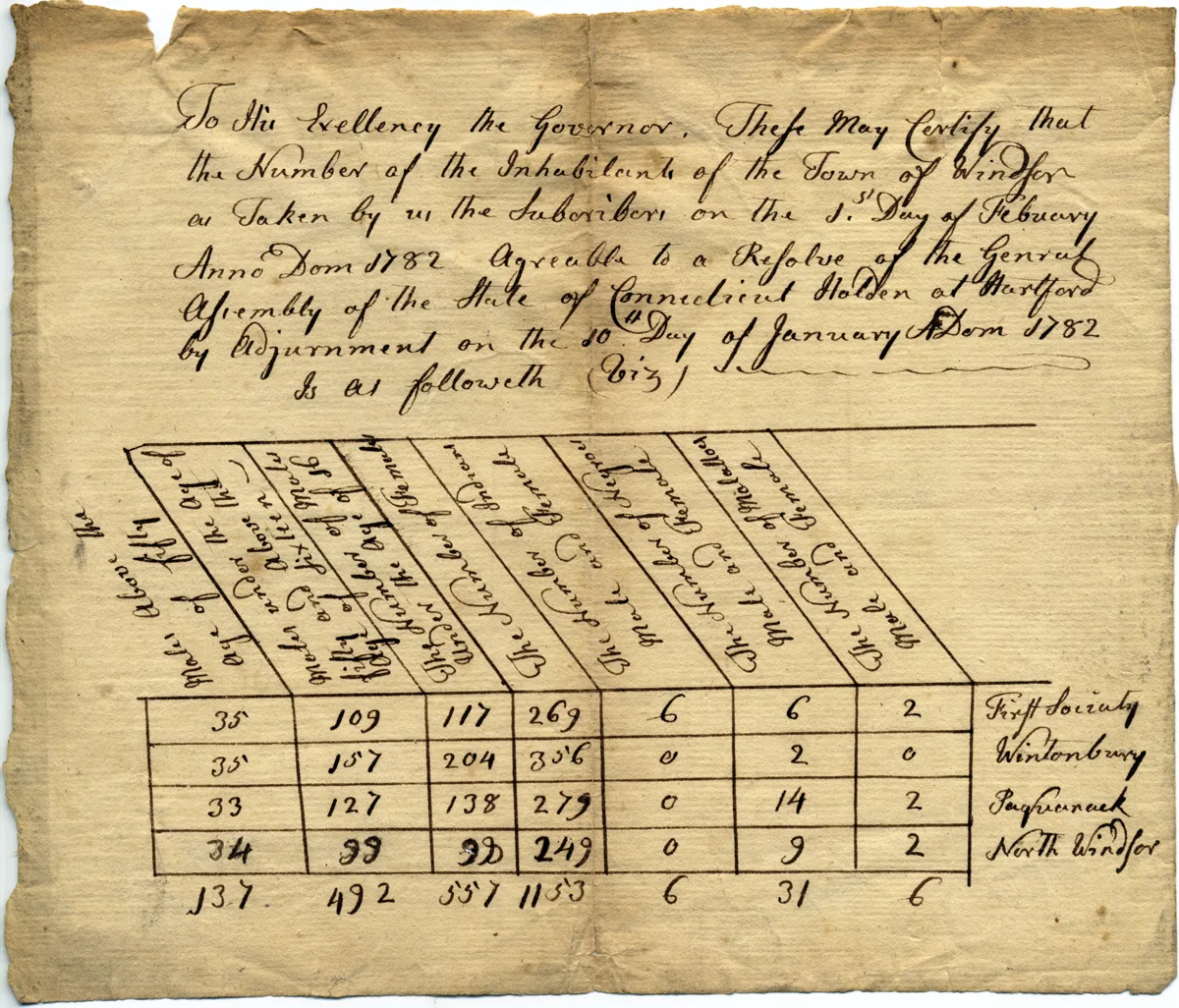
In a census or list, ditto, usually written do., repeats the entry from the line above, saving the clerk ink. Chained dittos cause transcription errors: one misread line at the top corrupts every do. below it, so always read the whole column. You will meet it in census and parish registers, mostly 1700s-1900s.
Where it appears: census, parish registers.
Hit a term like this in a record you are working on? AncestorIQ reads the record and explains terms like this in context. See how Deep Research works. Stuck on the ancestor as well as the wording? Start with how to work a genealogy brick wall.
Related terms
Keep reading
Browse the full genealogy records glossary for more occupations, causes of death, and legal terms.
FAQs
Where will I see ditto in the records?+
Mostly in census and parish registers, 1700s-1900s. Clerks abbreviated freely and spelling wandered, so expect variant wordings around it.
Do these old terms still matter for family history?+
Yes, a single word can settle a relationship. Relict names a widow, et ux hides an unnamed wife, natural son points at a parent. The words are dry, but what they encode about a family is not.
Where do these definitions come from?+
They are drawn from period dictionaries, government archive glossaries, and standard genealogy references, cross-checked against each other; provenance is documented with the dataset. Inside AncestorIQ, Deep Research reads the record itself and explains terms like this in context, against your ancestor's own document.
Stop translating old records by hand.
AncestorIQ reads the record and explains terms like this in context: the occupation column, the cause on the certificate, the clause in the will. Add one ancestor and let Deep Research do the reading.
No credit card needed. Your tree stays yours.