The searching is delegable. The reasoning isn't.
Give AncestorIQ a specific research question and it runs the searches you would otherwise run by hand: name variants, adjacent jurisdictions, the collections that aren't indexed the way you'd expect. What comes back is a documented finding you can open and check.
The searches that eat your unbillable hours
The searches that take an afternoon and produce one line in the report. AncestorIQ runs them, documents what it found and where it looked, and hands you the result to assess.
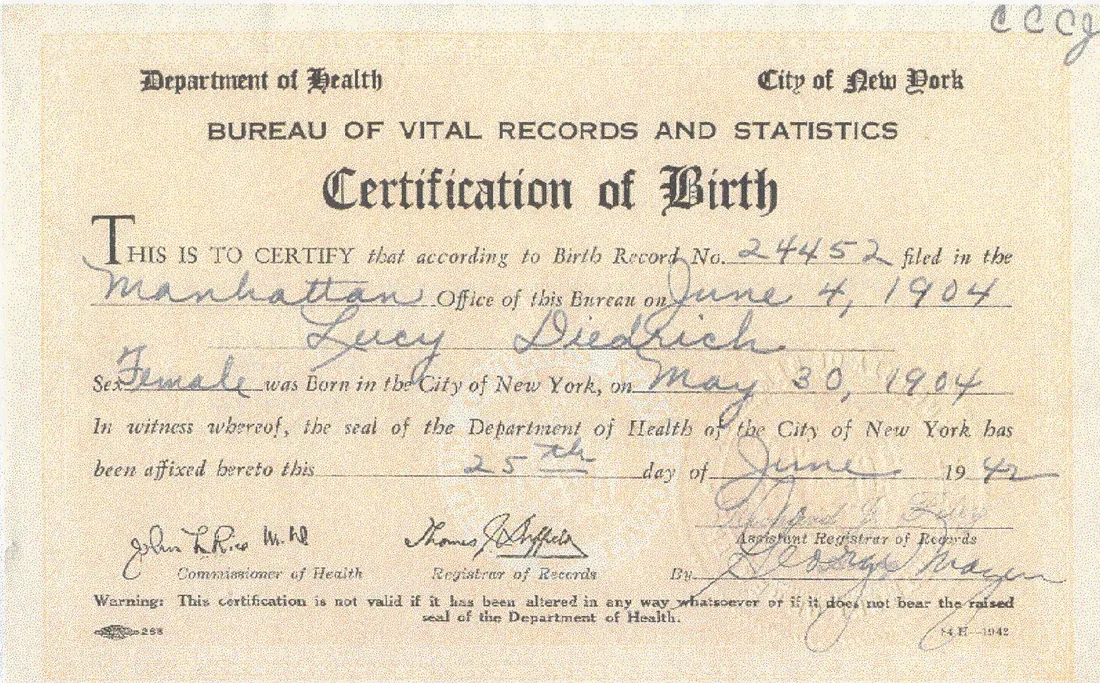
- How do I find a maiden name that's missing from vital records?
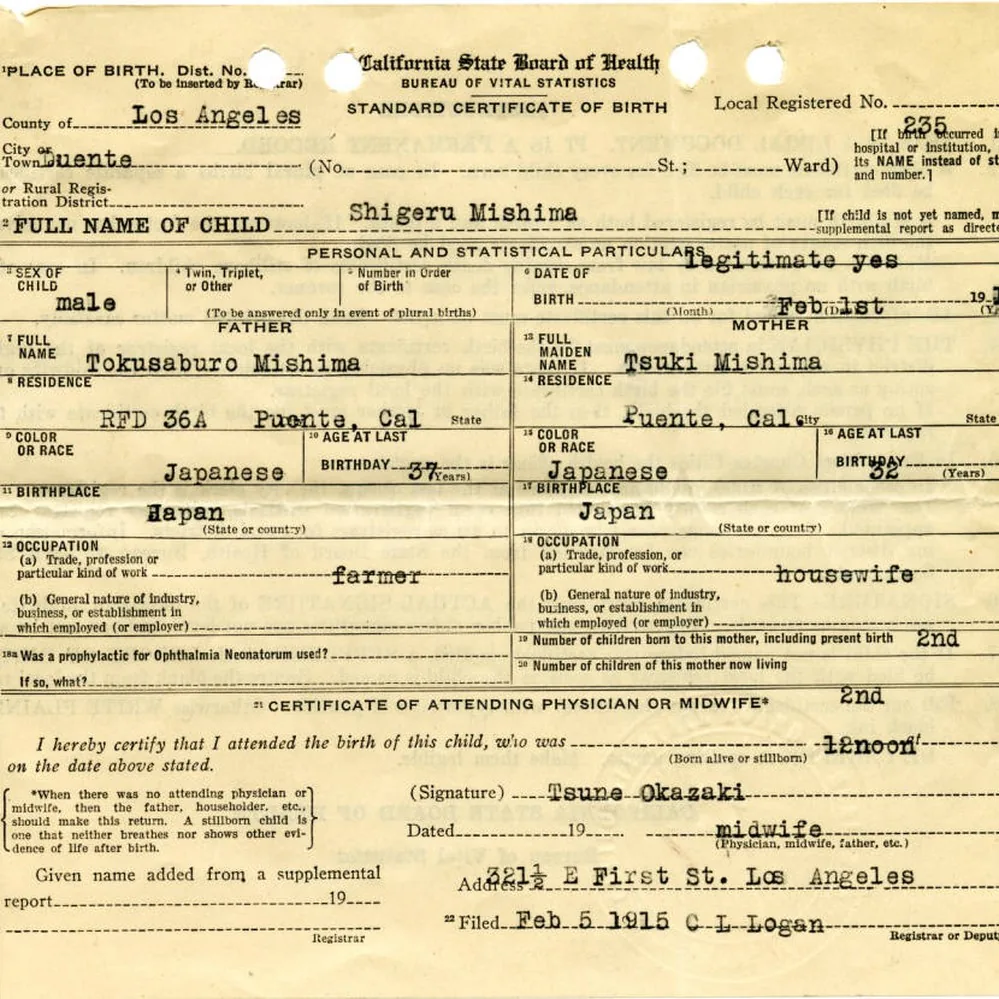
Found in the mother's-maiden-name field of a son's birth record.
Birth certificate, 1912 - Where did a family live before they emigrated?
The manifest's last-residence column names the home village.
Passenger manifest, 1901 - Who were someone's parents before civil registration began?
Both parents named in the parish baptism entry.
Parish baptism register, 1859 - Why do sources show conflicting dates for the same person?
Both dates side by side: one self-reported, one contemporaneous.
Census, 1850 + baptism entry, 1847 - What happened to a relative who vanishes after one census?
She reappears two counties over under a married name.
County marriage index, 1884 - How do I tell apart two people with the same name?
Separated by the father's occupation and street address.
Federal census, 1900 + 1910
Every finding arrives with its citation
- Named down to the record
A finding tells you which census page, which parish entry, which manifest line, and links to the image. You verify at the source instead of re-running the search to find out where it came from.
- An answer, not a result list
The finding addresses the question you asked and shows how the record answers it. You aren't handed four hundred index hits to page through on your own time.
- A negative result is a result
When the records don't support the claim, it reports that. It won't close the gap with a plausible-sounding inference you'd have to catch yourself.
Conflicts stay conflicts until you settle them
- Both readings, with their provenance
1847 in the baptism, 1849 in the census. Both appear with where each came from and what makes them differ, so you weigh them instead of inheriting a choice.
- Never averaged, never quietly picked
It won't split the difference between two dates or default to whichever record is more legible. A discrepancy is reported as a discrepancy.
- Surfaced during the search
The disagreement reaches you while you're still working the question, rather than turning up when a client is reading the draft.
The trail stays attached to the tree
- Accepted findings attach in place
Confirm a finding and it lands on the right individual with its source already attached. The evidence and the tree don't drift apart.
- Including what you didn't use
Findings and their sources stay saved whether or not you acted on them, so a search you rejected in March is still there to reconsider in June.
- Resumable months later
Come back to a question and the searches already run, and what each returned, are still on the record. No reconstructing where you'd got to.
What it changes about your practice
Your name is on the report, not ours
AncestorIQ produces findings. Nothing becomes a conclusion until you've assessed it and decided it belongs there.
The hours come off the unbillable end
Time you were never going to invoice for goes back into the analysis and writing your clients are actually paying you for.
Client research stays yours
Export it all or delete it all, whenever you want. What you research for a client remains yours to hand over or remove.
Let the client tell you what they know, on their own time
Instead of booking a call to collect names and dates, point your client at a WhatsApp thread. What they send arrives on the tree for you to review.
- They can just talk
A voice note becomes structured entries, and the recording stays attached as the source.
- The photos in their drawer
Family pictures you'd never have seen get captured where you can work with them.
- You hold the gate
Nothing a client sends reaches the tree until you approve it.
FAQs
Because a finding it can't attach a viewable record to isn't presented as a finding. You open the document yourself before anything reaches your notes, and where the evidence is thin it says so instead of inferring past it.
You cite the original record, not AncestorIQ, exactly as you would working from any repository. What you get is the record and the details you need to locate it again.
Narrow beats broad. "Who were the parents of Ellen Byrne, born about 1859 in County Mayo?" gives it something to work with. "Tell me about the Byrne family" doesn't. Frame it the way you'd frame an objective in a research plan, one question at a time.
It produces evidence-based, fully sourced findings you can weigh against the GPS. Whether a case actually meets the standard is a judgement you make. No tool can make it for you, and this one doesn't claim to.
Put the search hours on AncestorIQ. Keep the conclusions.
Start free and hand it a research question you've been circling. See what comes back before you decide whether it earns a place in your workflow.
No credit card needed. Your tree stays yours.