Genealogy Date Calculator
Work out a birth date from a tombstone age, an age between any two dates, a census birth year, and convert Julian/Gregorian and Quaker dates — all in your browser.
Loading tool…
Old records rarely hand you a clean birth date. A gravestone gives a death date and an age “71 years, 7 months, 9 days”; a census gives an age as of a day you have to look up; a colonial deed is dated “the 2nd day of the 1st month, 1719/20”. This free calculator turns each of those into a modern date, entirely in your browser.
Why do tombstone birth dates come out two different ways?
A carved age like “71y 7m 9d” can be subtracted from the death date two ways. The exact method counts real calendar months and days. The 30-day-month method — the traditional “8870 rule” — treats every month as 30 days, because that is often how the family computed the age in the first place. The two usually land a day or two apart, and the true birth date is normally one of them. This tool shows both so you can weigh them against other records.
How do I turn a census age into a birth year?
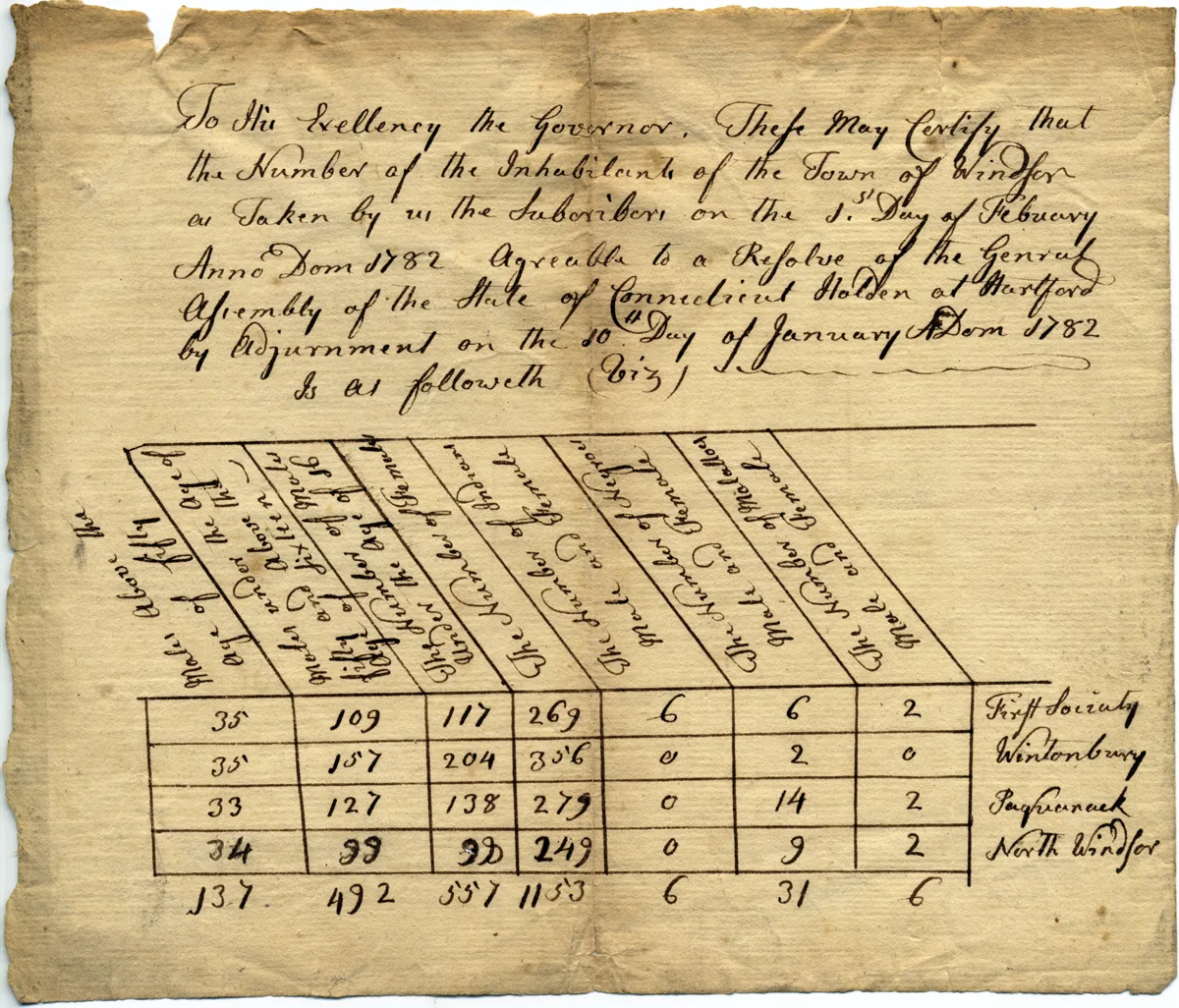
Every US federal census recorded ages as of a fixed enumeration day — June 1 for most 19th-century censuses, but January 1 in 1920 and April in 1930–1950. Because you don’t know whether the person’s birthday had passed by that day, a stated age points to a two-year window. Pick the census and enter the age to see the range and the exact day it was taken.
What are Old Style, New Style and Quaker dates?
Britain and its colonies used the Julian calendar until 1752 and began the year on 25 March, so early-year dates were double-dated (1719/20). Quakers refused the pagan month names and numbered the months instead — and before 1752 the “1st month” was March, not January. The converter translates both into modern Gregorian dates and flags the double-dating.
FAQs
How do I calculate a birth date from a tombstone?+
Enter the death date and the age at death (years, months and days) carved on the stone. The tool works out the birth date two ways: exact calendar subtraction, and the traditional 30-day-month ('8870') method genealogists cross-check against, since the two can differ by a day or two.
How do I find a birth year from a census age?+
Pick the census year and enter the recorded age. Because ages were taken as of a fixed 'census day' (June 1 for most 19th-century censuses), the birth year falls in a two-year window — the tool shows that range and the exact enumeration date.
What are Old Style, New Style and Quaker dates?+
Before 1752, English and colonial records used the Julian calendar and started the year on March 25, so dates were often double-dated (e.g. 1719/20). Quakers numbered the months instead of naming them, and before 1752 the 1st month was March. The converter translates both to modern Gregorian dates.
Is anything I enter uploaded?+
No. Every calculation runs entirely in your browser — nothing you type is sent to or stored on our servers.
Start with one relative and see what comes back.
Add what you remember and AncestorIQ searches for the rest. Free to build your tree for as long as you like.
No credit card needed. Your tree stays yours.