The written record on WikiTree is unhelpful in a specific way. The reviews that exist are either years out of date or scored so low that they read as grievance, and the rest of the conversation lives in forum threads where the same arguments run in circles. Meanwhile the site has quietly grown to roughly 43 million profiles and more than 1.2 million members. So here is a current look at what it actually is, which turns out to be a different category of thing from what most people are comparing it against.
It is one tree, and it is not yours.
This is the fact that decides everything else, and it is the one people miss when they sign up expecting an Ancestry substitute. WikiTree holds a single worldwide tree with one profile per human being. Your great-grandmother does not get your copy of her and someone else's copy of her. She gets one page, and if a second cousin in another country is also researching her, the two of you end up editing the same page. Chris Whitten started it in 2008 on that premise and has not moved off it.
The upside is that duplicate work collapses. The cost is real and worth stating plainly: you do not have final say over your own ancestors. Someone with a source you have not read can change a date you are attached to, and the resolution happens through discussion rather than through you clicking undo. FamilySearch runs a shared tree on the same principle, so if you have already met that model there, you know whether it suits your temperament. If you want a tree that nobody else can touch, a desktop database or a private online tree is the correct product and this review can stop being relevant to you here.
The Honor Code is the product, not the terms of service.
Every member signs the same Honor Code, which was first published in May 2011 and has never been changed since. That last detail is the interesting one. It commits members to accurate research, real source citations, and civil disagreement, and because it is a precondition of membership rather than a guideline nobody reads, the site's culture is downstream of it. This is where the polarized reviews come from. If you experience a community norm as backup, the Honor Code reads as the reason the data is better than average. If you experience it as supervision, it reads as an unusually text-heavy homeowners association.
You cannot upload your way into the seventeenth century.
Here is the policy that generates most of the complaints, and it deserves a fair hearing rather than a star rating. Editing profiles for people born before 1700 requires a Pre-1700 certification, and before 1500 a separate Pre-1500 one. A merge needs the certification too if either person was born before 1500. Most pointedly: pre-1700 profiles cannot be imported by GEDCOM at all, and that holds even for a member who has both badges. Run a GEDCOM through their comparison tool and the Add buttons simply do not appear for anyone that old.
Their stated reason is that a great deal of published medieval and early modern genealogy is wrong, and that unverified descents propagate faster than anyone can clean them up. Having watched a fabricated line to a Norman knight spread across four sites because one person exported it once, we think they are right on the substance. It is still a genuine cost. If your file has 900 people and 200 of them are pre-1700 guesses inherited from a cousin, WikiTree will not take them, and the honest reading is that this makes it the wrong home for a large speculative tree and the right home for a small sourced one. Worth knowing before you spend an evening on the import: our GEDCOM viewer will tell you how much of your file sits before 1700 in about a minute.
Free here means ad-supported, not a trial that expires.
The word free does a lot of work in this industry and usually means fourteen days. WikiTree is funded by advertising, kept deliberately light, and members who have signed the Honor Code see very little of it. No tier gates your own data behind a payment, and the tree you built never turns read-only because you stopped one. For anyone who has watched a subscription lapse and taken a tree with it, that structural difference matters more than any feature comparison.
It holds no records of its own, and that is the real limit.
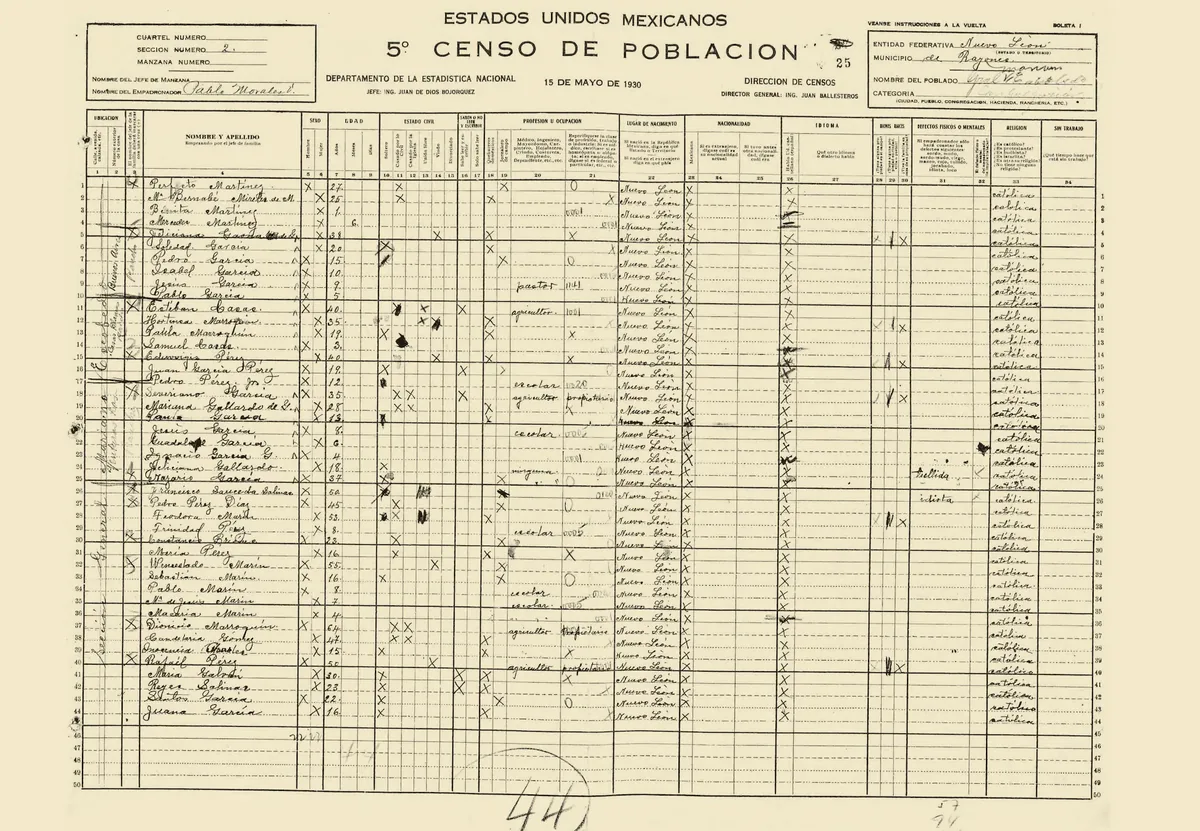
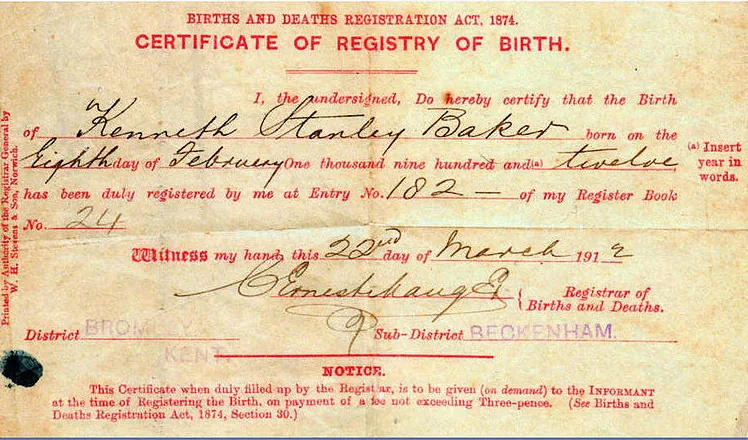
This is the part the enthusiastic reviews skip. WikiTree is a tree and a community, not a records repository. It has no census images, no parish registers, no newspaper archive. Every citation on it points at a document held somewhere else, which means you still need a records source, free or paid, to do the actual research. Comparing it head to head with Ancestry on that basis is comparing a filing system with a library, and both reviews that score it 2 out of 10 make roughly that mistake. Our roundup of Ancestry alternatives puts the records question in its own column for exactly this reason.
Who should actually use it.
If you cite your sources and your tree is small enough that you know every branch in it, WikiTree is one of the best places on the internet to put it, and it costs nothing to find out. If your research is collaborative by nature, a shared profile is a feature rather than a threat. If you hold 5,000 people of uneven provenance and want them online tonight, you will find the rules exhausting and you should not read that as the site being broken. And if what you actually need is confidence in what you already have, the constraint WikiTree enforces socially is the same one worth enforcing privately: every claim points at a document. We wrote about that discipline in sources you can trust, and it is the habit that makes any tree portable between tools.
The strict rules and the good data are not two separate findings about this site. They are the same finding, described by people with different tolerances. Whether that trade is worth it depends entirely on how much of your tree you can currently prove.