A birth year of 1852 sits on more than 11,000 family trees right now, attached to a woman we'll call Sarah Whitfield. Follow the citation back on any of them and it doesn't lead to a birth record. It leads to another tree. That tree's citation leads to a third tree. The trail just stops somewhere around a decade ago, when someone typed in a guess and nobody since has checked it against the parish register that actually survives for her town, which gives her birth as 1847.
Five years and one document, gone, copied 11,000 times before anyone looked. This is what an unsourced tree looks like from the inside: complete, confident, and wrong in a way that stays invisible until someone finally opens the actual record.
What counts as a source, and what doesn't
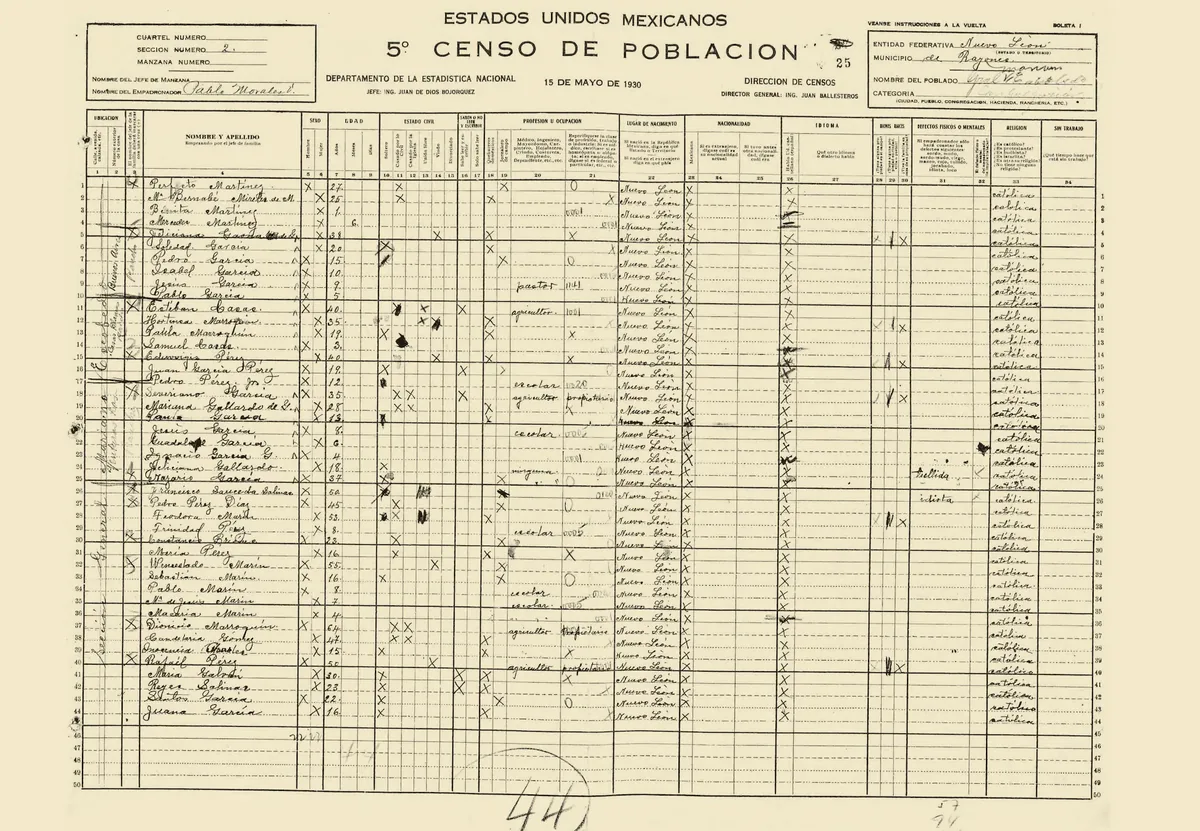
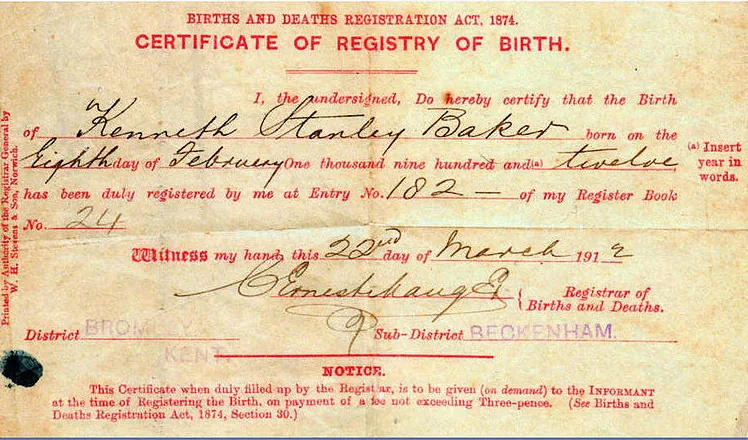
Genealogists sort sources into three kinds, and the difference matters more than most trees admit. An original source is the record created at or near the time of the event: the parish register entry itself, the census taker's original page, the ship's manifest. A derivative source is a copy or compilation of an original, like an index, an abstract, or a database entry built from it. An authored source is somebody's narrative built by combining other sources: a published genealogy, a county history, or another person's family tree. Another tree is, at best, an authored source. If that tree doesn't cite anything either, it isn't a source at all. It's a rumor with a pedigree chart attached, and copying it onto your own tree doesn't add evidence. It just moves the same guess one hop further from whatever record might actually exist.
A citation you don't need a manual to write
Knowing the difference between an original and a derivative source doesn't help much if you never write anything down next to the fact itself. Most hobbyists don't skip sourcing because they disagree with the idea. They picture Evidence Explained's full citation format, decide it's built for professional publication rather than a Tuesday evening at the kitchen table, and skip the whole exercise instead of doing a smaller version of it. A source note only has to answer three questions: who made this record, when was it made, and where does it live now. Write those three things next to a fact and you've done the real work. The formatting can wait.
For the parish register behind Sarah Whitfield's actual birth year, a working note might read: baptismal register for her home parish, entry from 1847, held at the county record office, viewed on the database you used, on the date you looked. Four short pieces of information, one line. It will never win a citation-styling contest, but it answers the question that actually matters six months from now: could you, or anyone else, find this record again? A note that just says "Ancestry Family Trees" fails that test immediately, because there's no record behind it to go find, only another guess.
The date you looked matters more than it sounds like it should, especially for anything found online. Databases get reindexed. Scanned images get replaced with better ones. A record that sat at one web address last year sits somewhere else this year, sometimes behind a different search interface entirely. Note when you looked, not only the date the record itself claims, and a dead link five years from now becomes an inconvenience instead of a small mystery.
The Genealogical Proof Standard, and what it actually asks for
The field has a name for the discipline that separates a provable tree from a plausible-looking one: the Genealogical Proof Standard, or GPS. It asks for a reasonably exhaustive search, complete and accurate source citations, and honest analysis of the information each source carries, not just the source itself. That last part trips people up. A source can be original and still carry secondary information: a death certificate is an original record, created at the time of death, but the birth date on it is usually secondary information, recalled by a grieving relative who wasn't there for the birth. Compare that to the informant on a birth record naming the date the same week the child was born. Same document type, two different levels of trust. The GPS also separates direct evidence, which answers your question outright, from indirect evidence, which only answers it in combination with something else. None of this is pedantry. It's the difference between a fact and a fact-shaped guess.
Sourced isn't the same thing as verified
A citation attached to a fact proves the fact has a source. It doesn't prove the source is right, and that gap catches careful researchers as often as careless ones. An index entry can misread a faded numeral. A transcriber working through thousands of names in an afternoon can turn a seven into a one, or attach the right record to the wrong household on the page above it. Cite that transcription accurately, in perfect Evidence Explained format, and you've still sourced a fact that's wrong, because the citation only promises you copied the transcription correctly. It says nothing about whether the transcription matches the record it claims to represent.
The standard to hold yourself to isn't whether a fact has a source. It's whether the source, read as an image of the original page, actually says what you think it says. That second question is why a derivative source, an index, an abstract, a database entry, is a lead to the original rather than a stopping point. If a digitized image of the original register or certificate exists, look at it before trusting the transcription built from it. If it doesn't exist yet, at minimum note that your citation points to a derivative and not an original, so the next person checking your work, quite possibly you in five years, knows how many hands the information passed through before it reached your tree.
Why 20 other trees agreeing isn't evidence
Agreement isn't verification, and genetic genealogists have the case study to prove it. Ancestry's own ThruLines once suggested a common ancestor backed by 98 separate DNA matches, a number that looks like overwhelming consensus. Y-DNA testing later disproved it. A sample of 150 trees descending from that same ancestor all repeated the identical, disprovable error, because they'd all copied the same unsourced tree rather than independently checking a record. Twenty trees agreeing on a birth year usually means twenty people copied the same twenty-first tree, not that twenty people did twenty separate pieces of research. Consensus among copies isn't corroboration. It's the same claim, wearing more costumes.
One bad merge, thousands of copies
This isn't only a problem with hint engines suggesting bad matches. A FamilySearch Community thread documents a user uploading a GEDCOM file with more than 37,000 unsourced profiles directly into the single shared Family Tree, with no AI involved at all. The failure is structural to any shared-tree platform: one unverified upload, and thousands of downstream trees inherit it the moment someone clicks add to tree without opening the record underneath. Even software built for serious research doesn't always help. Evidence Explained, the field's own citation-standards authority, has pointed out that Family Tree Maker's data model arbitrarily divides source information into separate "source" and "citation detail" fields, forcing users to manually rework auto-generated citations to meet GPS. That criticism is a decade old and still describes the software's current documentation. The tool that's supposed to make sourcing easier instead makes it something you have to fight for.
When two good sources disagree, weigh them instead of just flagging them
Noticing that two sources disagree is the easy half of the problem. The harder half is deciding which one is more likely right, and leaving it open isn't always available: eventually you have to put a working date on the tree, even while keeping the other value attached as a note. Three questions do most of the work of choosing.
How close was the record to the event? A record created days or weeks after a birth, marriage, or death is drawing on a fresh memory. A record created decades later is drawing on whatever the informant still remembers, and memory drifts the way it always does. All else equal, the closer record wins.
Who actually supplied the information? A record where the person themselves is the informant, an SS-5 application, a marriage license where the couple states their own ages, generally beats a record where somebody else spoke for them. A death certificate's birth date is the classic case worth remembering: it usually comes from a grieving relative, sometimes an adult child who never knew their parent's exact birth year and is guessing under hard circumstances. That's not a flaw in the certificate. The certificate is doing its actual job, which is recording a death, not a birth. It's a flaw in treating every field on it as equally reliable.
What kind of record is this, and what was it built to get right? A parish register exists specifically to record baptisms, so the date on it is the entire reason the document was created, and the clergy usually entered it within days. A land deed's date carries legal weight if it's wrong, which made clerks careful about it in a way they were never careful about spelling a name. Weigh a source against what it was actually built to track, not just how old it is.
Applied to Sarah Whitfield's case: a parish register entered close to the event, by someone with direct reason to get it right, outranks a birth year with no document behind it at all, typed into a tree a decade ago and copied ever since. That's why 1847 belongs on her card once someone opens the register and runs this comparison, rather than defaulting to whichever number showed up first.
Deep Research resolves conflicts instead of hiding them
This is the same reason a chatbot's confident guess about a specific ancestor doesn't hold up: confidence isn't evidence, and neither is repetition. Deep Research attaches the actual record to every fact and proposed relative it surfaces, not just a citation pointing at one. When two records disagree, say a census taker's 1847 against a death certificate's 1852, Deep Research surfaces the conflict instead of quietly picking a number and moving on. It weighs the same factors any careful researcher would: which record sits closer to the event, who the informant was, and what that record type is actually built to get right, then shows you that reasoning instead of a single silent answer. Our agents validate research and verify tree data against the underlying record before any of it reaches your tree, so the disagreement is something you get to resolve, not something buried in a merge you'll never revisit.
Sourcing everything is slower than not sourcing anything. Say that plainly, because it's true. The alternative, a tree that looks finished and can't survive one person opening the actual record, isn't actually faster. It's just wrong sooner.