No genealogy company has shipped more AI than MyHeritage. Since 2021 it has released, by our count, at least eight distinct AI features (animating photos, dating them, transcribing documents, chatting with a record database, writing ancestor biographies) and retired one along the way. That pace deserves a fair accounting: which of these are genuinely useful for research, which are emotional fireworks, and what's still missing.
The photo tools started it all.
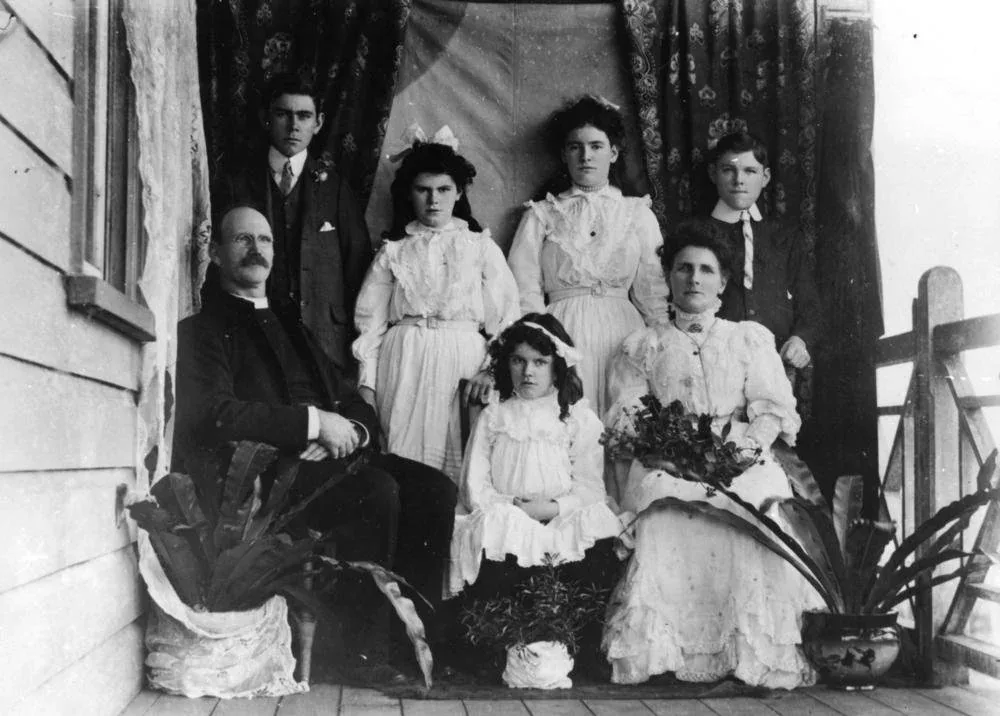
Deep Nostalgia, launched at RootsTech in February 2021, animated the face in a still photo. It detonated. MyHeritage reported over a million photos animated in the first 48 hours, more than 10 million within about two weeks, and a 26-million milestone within a month. It remains the single most viral thing genealogy AI has produced, and it taught the whole industry a lesson: making an ancestor feel present is a product in itself. Around it sit the quieter workhorses: the Photo Enhancer and colorization tools, and PhotoDater, a clever free feature that estimates when an undated photo was taken (for photos from roughly 1860 to 1990) from clothing, hairstyles, and objects in the frame. PhotoDater is the sleeper here: an estimated decade on an unlabeled photo is a real research clue, not just a keepsake.
LiveMemory replaced DeepStory.
DeepStory, the feature that made a photo's subject appear to speak, was permanently discontinued in August 2025 (previously created DeepStories remain downloadable in the mobile app). Its successor, LiveMemory, animates the entire scene of a photo into a short video clip rather than just a face. It launched in late 2024, reached the MyHeritage website in June 2025 after starting mobile-only, and picked up new effects and improved AI in July 2025. The results range from startlingly moving to slightly uncanny, depending on the photo. But as a way to make a relative lean in at a family gathering, it works.
AI Record Finder and AI Biographer do the research-flavored work.
Both arrived in December 2023. AI Record Finder is a chat interface over MyHeritage's record database: you describe who you're looking for in plain language and it searches as you refine. It's a real improvement over form-based search for beginners, though it searches MyHeritage's collections, not the open web. AI Biographer assembles a Wikipedia-style article about an ancestor from tree profiles and matching records, with source citations and photos woven in. A few biographies are free; unlimited use requires the top-tier Complete subscription. The citations are the right instinct: the biography points at where each claim came from, which puts it well ahead of asking a general chatbot to write the same article from nothing.
Scribe AI reads the documents in your drawer.
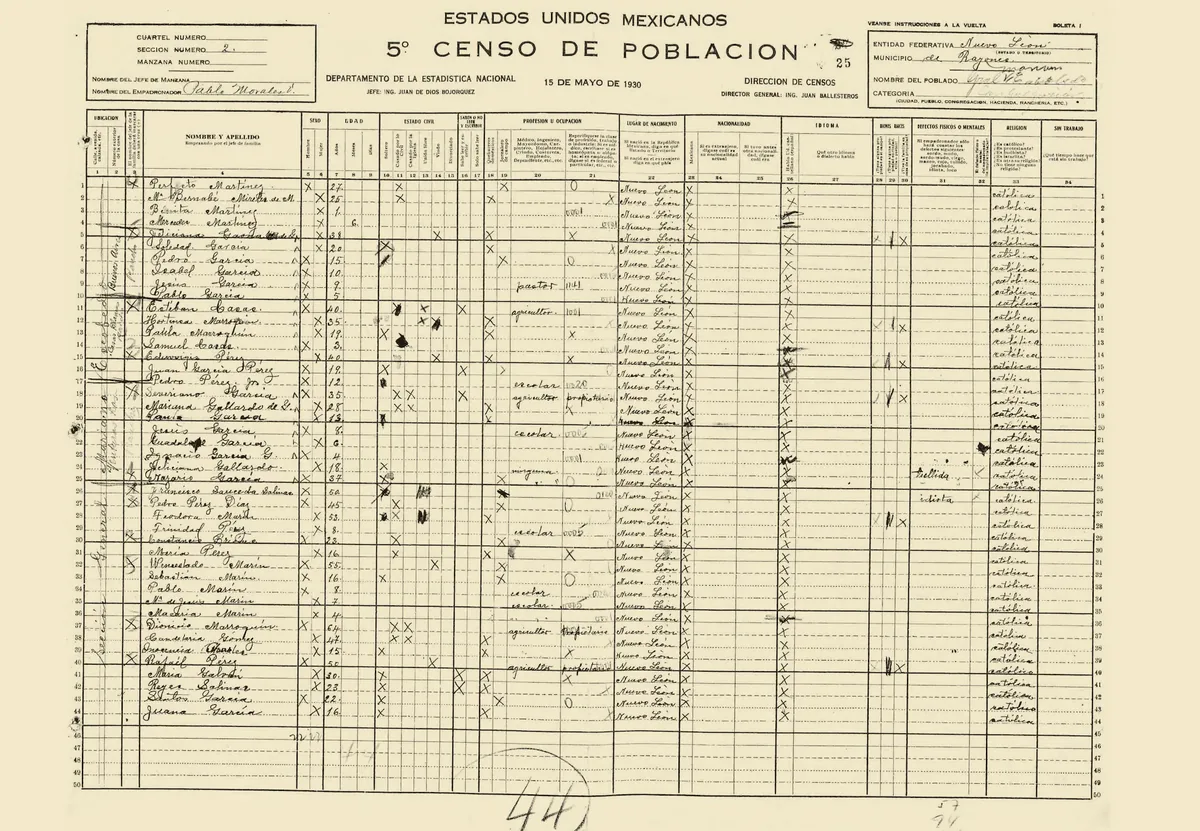
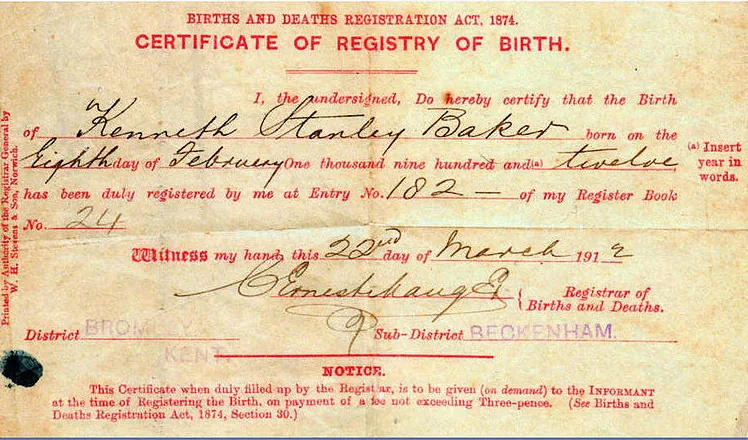
Scribe AI, released in March 2026, is the most research-useful piece of the suite: upload a photo or PDF of a handwritten letter, a gravestone, a coat of arms, or a record, and it transcribes, translates, and interprets it, including estimating dates and places for photographs from visual details. Free users get a handful of analyses; unlimited use sits on the Complete and Omni subscriptions. Quality varies with document condition and language, as MyHeritage itself notes, and every name in a machine transcription still deserves an eye-check against the image. But as a first pass over a shoebox of family papers, it's the best tool any of the big platforms currently offers.
GAIA is the one to watch, and it isn't here yet.
At RootsTech in March 2026, MyHeritage announced GAIA, a genealogy AI assistant meant to answer questions about your own tree and guide research from your actual data, alongside teased AI life-story videos and family infographics. That's the right ambition: it's the step from AI features to an AI researcher. As of this writing, though, GAIA was announced as coming soon and isn't broadly available, so any judgment would be premature. What we can say is that the gap it aims at (personalized, tree-aware research guidance) is currently the weakest part of the MyHeritage suite.
The honest scorecard.
Strengths: the photo AI is the best in the industry, PhotoDater and Scribe AI are real research tools, and the record-matching engine underneath it all remains excellent. Weaknesses: the features are scattered across many names and menus rather than one coherent assistant; most of the good stuff requires a subscription (the free tier caps trees at 250 people, and the all-inclusive Complete plan lists around $299/year, with first-year discounts common); and none of it yet closes the research loop. Finding records, weighing them, and proposing sourced changes to your tree still falls to you. The suite decorates and accelerates research; it doesn't do it.
Where AncestorIQ fits.
That research loop is the part AncestorIQ is built around, so here's the fair framing: if you want the best photo animation and a deep record archive, MyHeritage earns its place. If you want AI that researches your ancestors across sources with citations, builds your tree as you chat, and turns a documented life into a narrated film, that's AncestorIQ: free to start, and complementary to a records subscription rather than a replacement for one. For the whole field in one place, see our AI genealogy guide. And if you're weighing platforms overall, our Ancestry alternatives comparison covers where MyHeritage wins.