A family reunion is the only afternoon of the year when almost everyone who remembers your grandparents is standing in one building. It is also, acoustically and socially, the worst interview room you will ever work in. Forty people, a sound system nobody can find the volume knob for, children, and at least one dog. The two aunts who could settle a question your tree has carried unanswered for three years are there, and they are being handed a plate of food.
The instinct is to arrive with a long list of questions and work the room like a census taker. That fails in a predictable way, and understanding the shape of the failure is most of the fix. This is not the same job as the sit-down interview you would do in someone's living room in February. That version has its own method, covered in our guide to interviewing elder relatives. A reunion is a different problem: more people, less time each, and no control over the environment.
Six questions will fill the time you actually have.
StoryCorps has been recording two-person conversations since 2003, archiving them with permission at the Library of Congress. Their format gives each pair forty minutes, and they find most participants get through six to eight questions in that window. That number is worth sitting with, because it is much smaller than the list most people bring to a reunion. Forty minutes of genuine attention buys you six answers, not twenty-five, and a reunion afternoon realistically holds two or three of those conversations before the food comes out and the room reorganizes itself. So the planning question is not what to ask. It is who gets the forty minutes. Pick two people, usually the oldest two who are willing, and build a short list for each of them rather than one generic list you carry from person to person. If you want a starting pool to cut down from, our family interview question generator holds over 175 questions you can filter by topic and print.
Some questions only work when the room is full.
Some questions get better answers with several relatives in the room. Save those for the day. The rest can happen on a phone call in November.
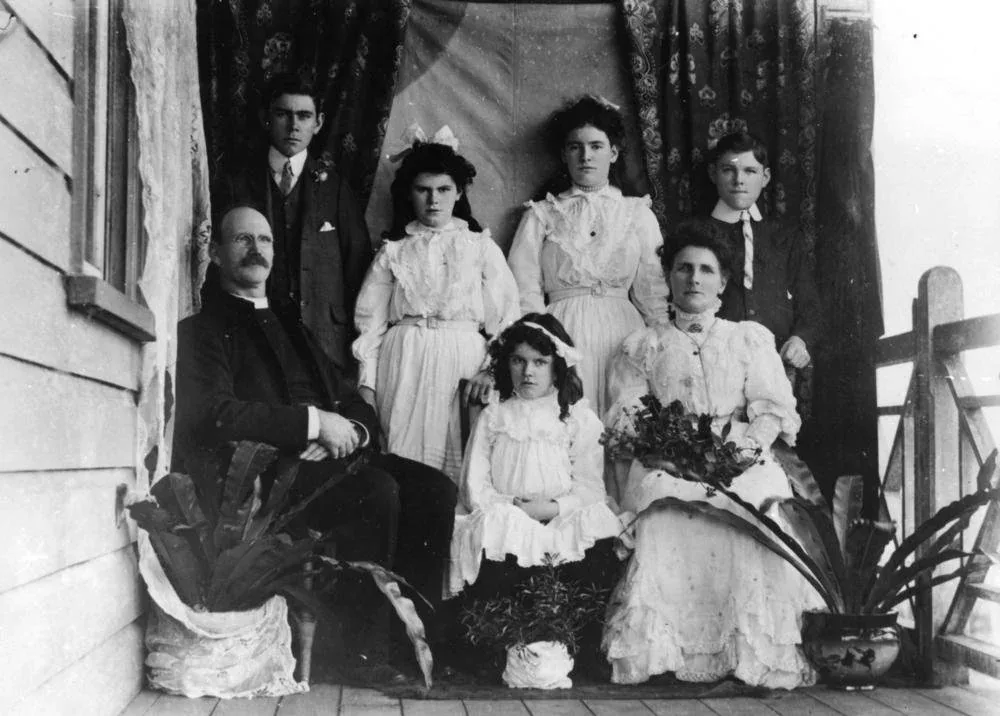
"Who is in this photograph?" is the obvious one, and it belongs on a table rather than in an interview. "What was the house like?" is the underrated one: ask three siblings and you get the kitchen from one, the cellar from another, and the detail about the back door that nobody thought to mention because it was too ordinary to say out loud. Ask about a single event, separately, of two people who were both there, and pay close attention when their accounts diverge. Disagreement is not a problem to resolve on the spot. It is a signpost telling you which record to go find, because one of those two memories is closer to a document that exists.
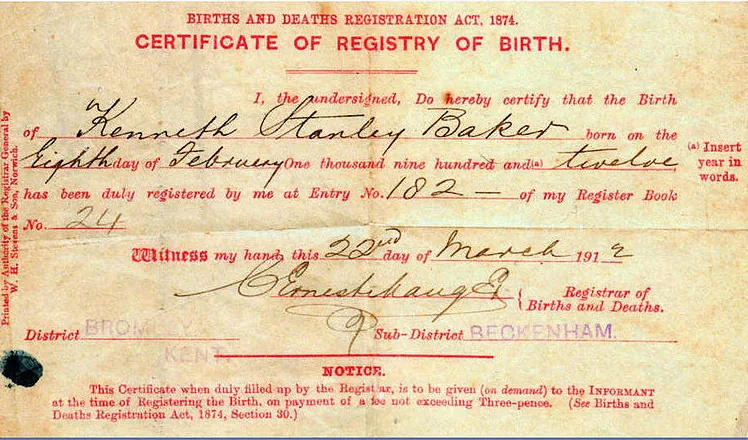
Two more earn their place. "What did people actually call her?" surfaces the household nickname that indexes and certificates recorded instead of the legal name, which is one of the most common reasons a search stalls; if the answer is Polly or Nancy or Sukey, the nickname finder will tell you which formal names it maps to. And "who is not here today?" is the question that reliably surprises people. It surfaces the branch that moved away in the 1970s, the cousin whose address nobody has, and occasionally the relative nobody mentions, which is its own kind of finding. If the room starts arguing about how any two of these people are related, the cousin chart settles second cousins and once removed faster than the argument will.
Ask for permission while the recorder is already running.
The Oral History Association's guidance is specific about this, and it is the step families skip almost every time because it feels absurdly formal for a conversation with your own great-aunt. Their recommendation is a consent and release form signed before the interview, even for a project that never leaves the family, plus a verbal consent captured on the recording itself. Say who you are, what you are recording, and that they are happy to be recorded, out loud, with the recorder going.
The reason this matters is not legal theory. It is that you cannot predict what you will want to do with the audio in five years. A ninety-second clip of your grandmother describing the crossing is exactly the thing you will later want to put in a memorial video, or a shared family archive, or a website. Getting a yes on tape in 2026 costs eight seconds. Trying to reconstruct consent from a relative who has since died costs you the clip entirely. What you should tell them is short: why you want to talk to them, where the recording will live, and who is going to be able to hear it.
The room is the technical problem, not the equipment.
Almost every unusable reunion recording fails the same way: a phone lying flat in the middle of a table, in a hall with a hard ceiling, capturing the whole party at roughly the same volume as the person speaking. No amount of processing recovers that afterwards. The rule oral historians use is that the louder and boomier the room, the closer the microphone has to sit, with six to twelve inches from the speaker's mouth as the working range, angled slightly off to one side rather than pointed straight at it. A unidirectional microphone, which favors sound coming from one direction, will beat your phone's omnidirectional one in a crowd.
The higher-value move is choosing the room. Take the conversation to a bedroom, a porch, or a parked car, and accept the mild social awkwardness of removing two people from the party for half an hour. Then wear headphones for the first thirty seconds of recording and actually listen, because a level meter will not tell you about the ceiling fan or the refrigerator compressor that is going to sit under every minute of the audio. Thirty seconds of checking is the difference between a recording you transcribe and one you apologize for.
Photographs are the group activity. Interviews are not.
Split the day into these two modes and it stops feeling like you are failing at both. Interviews want one person, one quiet room, forty minutes. Photographs want the opposite: a table in the middle of everything, a shoebox from every household that brought one, and as many people leaning over it as will fit. Ask people in advance to bring the unlabelled ones specifically, because the labelled ones are already solved.
Two habits make that table worth more than a pleasant hour. Start from the photographs somebody can positively identify, usually people your parents' generation knew alive, and work outward from those faces rather than starting with the total mysteries. And write down where each photograph came from before it goes back in the box. Provenance, meaning whose house it lived in and who they got it from, is often the thing that eventually identifies a face, long after everyone has run out of names to guess. A phone camera is enough to capture both the front and the back of every photograph you do not own, and the back is not optional, because that is where the pencil note usually is.
Leave with a list of who you did not get to.
The real output of a reunion is rarely the recordings. It is the follow-up list, and it has a short shelf life: write it before the drive home, while you still remember which cousin said her mother kept the letters. Names, which branch, a phone number or an email, and the one specific thing you want from each of them. That list is what turns one afternoon into six months of research, and it is the part that evaporates fastest if you trust it to memory.
Whatever comes home with you needs somewhere to live by the end of the week. Recordings, scans, a napkin with three phone numbers on it. A reunion generates more material in one day than a month of ordinary research does, which is exactly the condition under which files start disappearing. Our post on organising research before you drown in it covers the naming and filing side. The short version: name each file the day it arrives, or you will be guessing at IMG_4821.jpg next spring.
None of this needs a budget or a plan longer than a page. It needs you to decide, before you arrive, which two people get your real attention, and to accept that the rest of the day is photographs and phone numbers. That is a good day's work.