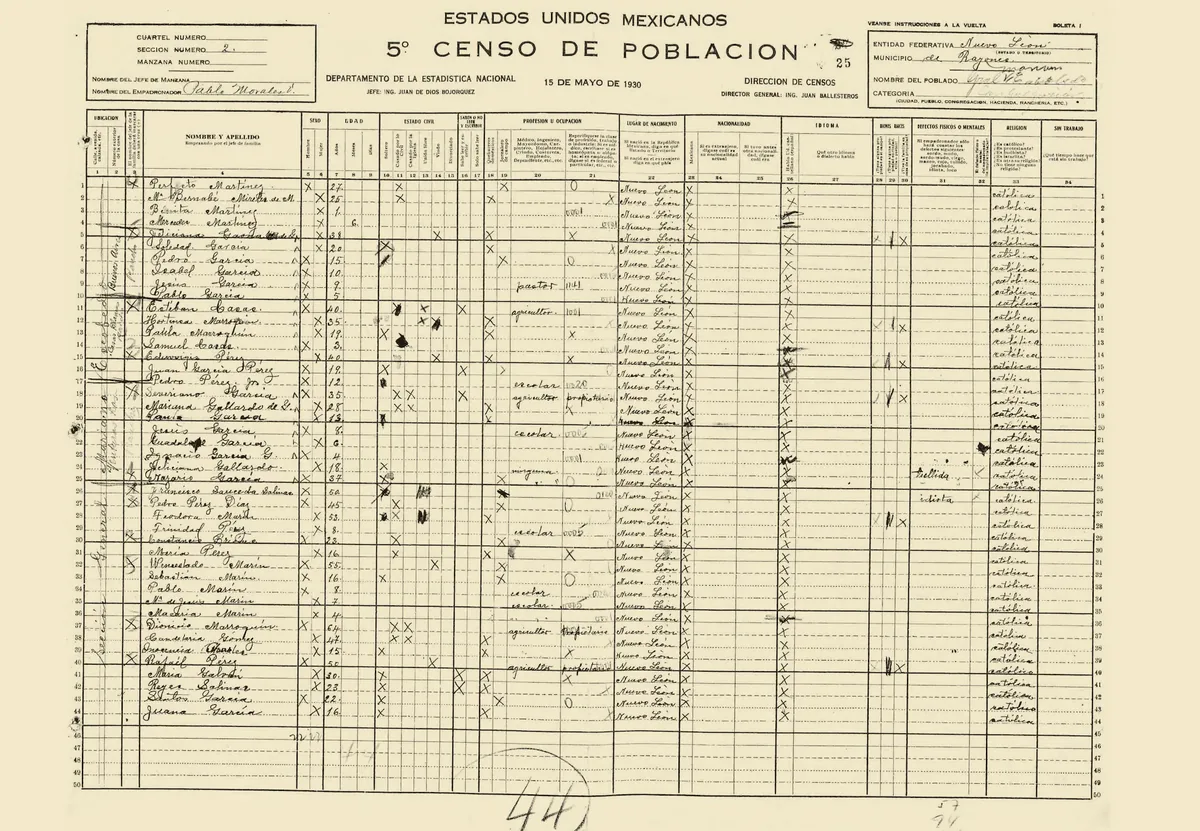
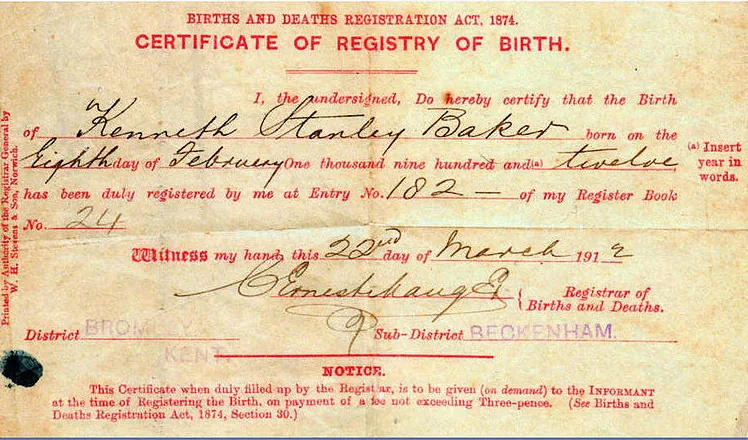
Ancestry launched AI Stories in December 2025, and it's the most interesting thing the company has shipped in years: point it at a historical record (a census page, a draft card, a death index entry) and it generates a plain-language story of what that record witnessed, as text and as narrated audio. It's in beta, it requires a subscription, and after working through what it does across our own test records and the detailed hands-on accounts early reviewers have published, we think it deserves a fair review: this is a good idea, executed carefully, with rough edges exactly where you'd expect a beta to have them.
What AI Stories actually does.
On a supported record you get a “Listen and explore” button; click it and roughly ten seconds later a story appears in a side panel: several paragraphs weaving the record's specifics (employment, physical description, household members) together with period context like the post-Depression economy. Alongside it: an audio narration, typically about a minute and a half, in a natural voice that retells rather than reads the text version. You can download the audio, pull a transcript, and tap follow-on buttons that expand particular themes into further AI-generated context. Stories are footnoted with source citations, and the whole thing is built for sharing. The audio file is the kind of artifact that actually gets played at a family gathering.
What it does well.
Three choices stand out. First, it's grounded: the story is generated from a specific record you're looking at, not from the AI's imagination, and the footnotes point back at sources. Second, it's restrained: Ancestry deliberately narrates rather than animating faces. No deepfaked ancestors, just a told story. Third, it surfaces the overlooked: the middle columns of a draft card or census page that most people never read become the texture of the narrative. It launched in seven languages (English, German, French, Spanish, Italian, Dutch, and Swedish), and the follow-on exploration buttons are a smart way to let curiosity pull you deeper into historical context.
Where it slips.
The stumbles are real but mostly beta-shaped. Coverage is uneven: censuses, death indexes, and Find a Grave entries generally offer the button, while various birth and marriage index records don't, so whether your favorite ancestor gets a story is partly luck of the record type. Names can wobble: one early reviewer documented the audio narration using a garbled indexed spelling of a surname while the on-screen text used the correct name from his tree. The AI inherits whatever the index got wrong, which is worth knowing before you hit play at a reunion. And the historical context, while accurate, can read generic: the same economic-recovery paragraph could sit under many 1940 census stories. None of these are scandals; all of them are reminders that it's a narration layer, not new research.
What it costs.
AI Stories comes with an Ancestry subscription rather than as a separate purchase: memberships run from about $25/month (US Discovery) to about $60/month (All Access) at US list prices as of July 2026. If you already subscribe, it's a free upgrade to records you've been staring at for years. If you don't, a narration feature alone probably isn't the reason to start. The record collection is.
Who it's for.
AI Stories is for the researcher who has already found the records and wants the family to finally care about them. It converts a document into three shareable minutes, and it does that well. What it doesn't do, and doesn't claim to do, is find anything: no new records, no research suggestions, no tree changes. It narrates what you've already proven.
Where AncestorIQ fits.
That boundary is the honest comparison point. AI Stories narrates one record at a time; AncestorIQ works the other side of the pipeline: Deep Research searches archives to find the records in the first place, with citations you confirm, and Family Video turns a whole documented life, not a single document, into a narrated film. If you're an Ancestry subscriber, the two are more complementary than competing. For how all the incumbents' AI stacks up side by side, see our best AI genealogy tools comparison and the full AI genealogy guide.